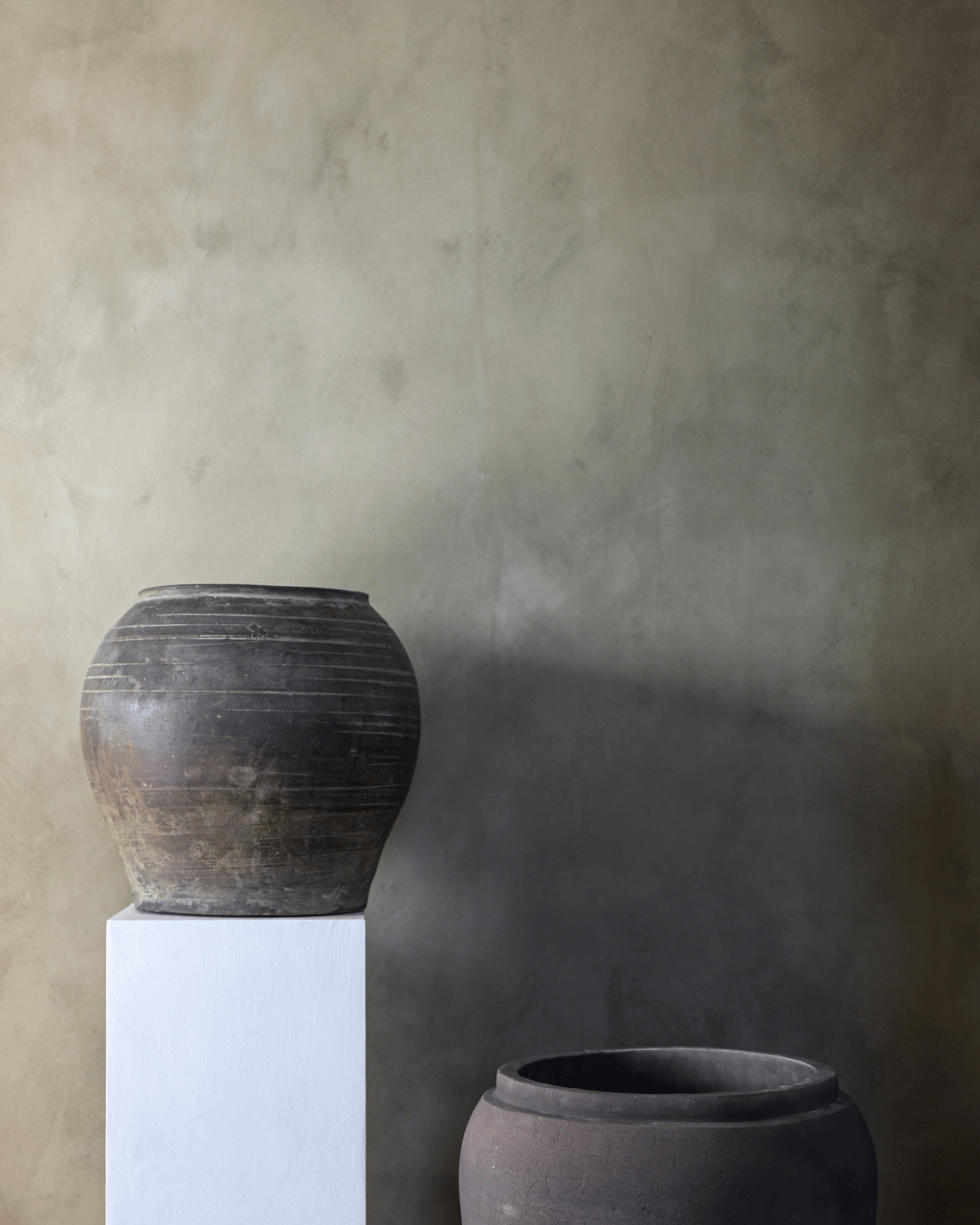
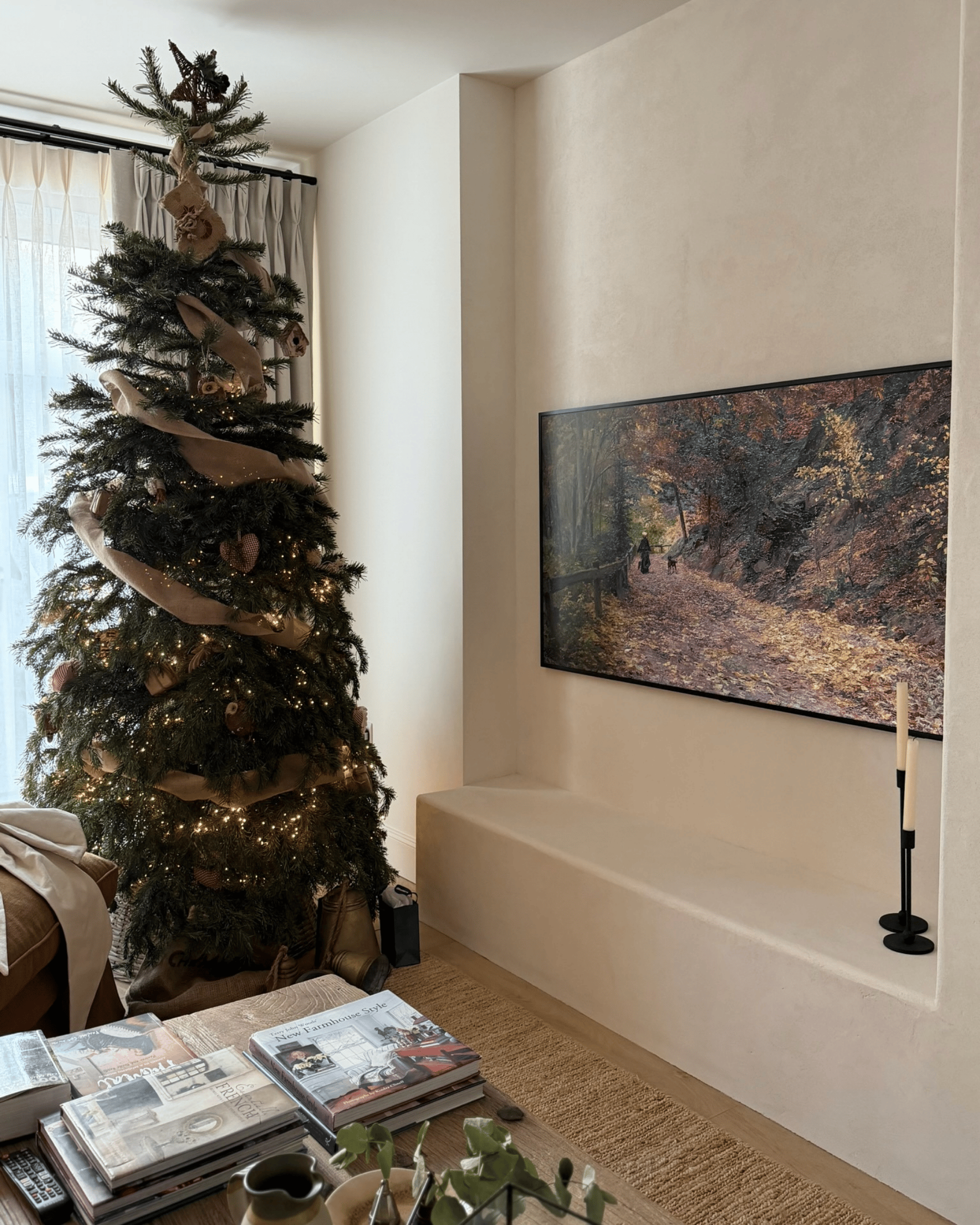
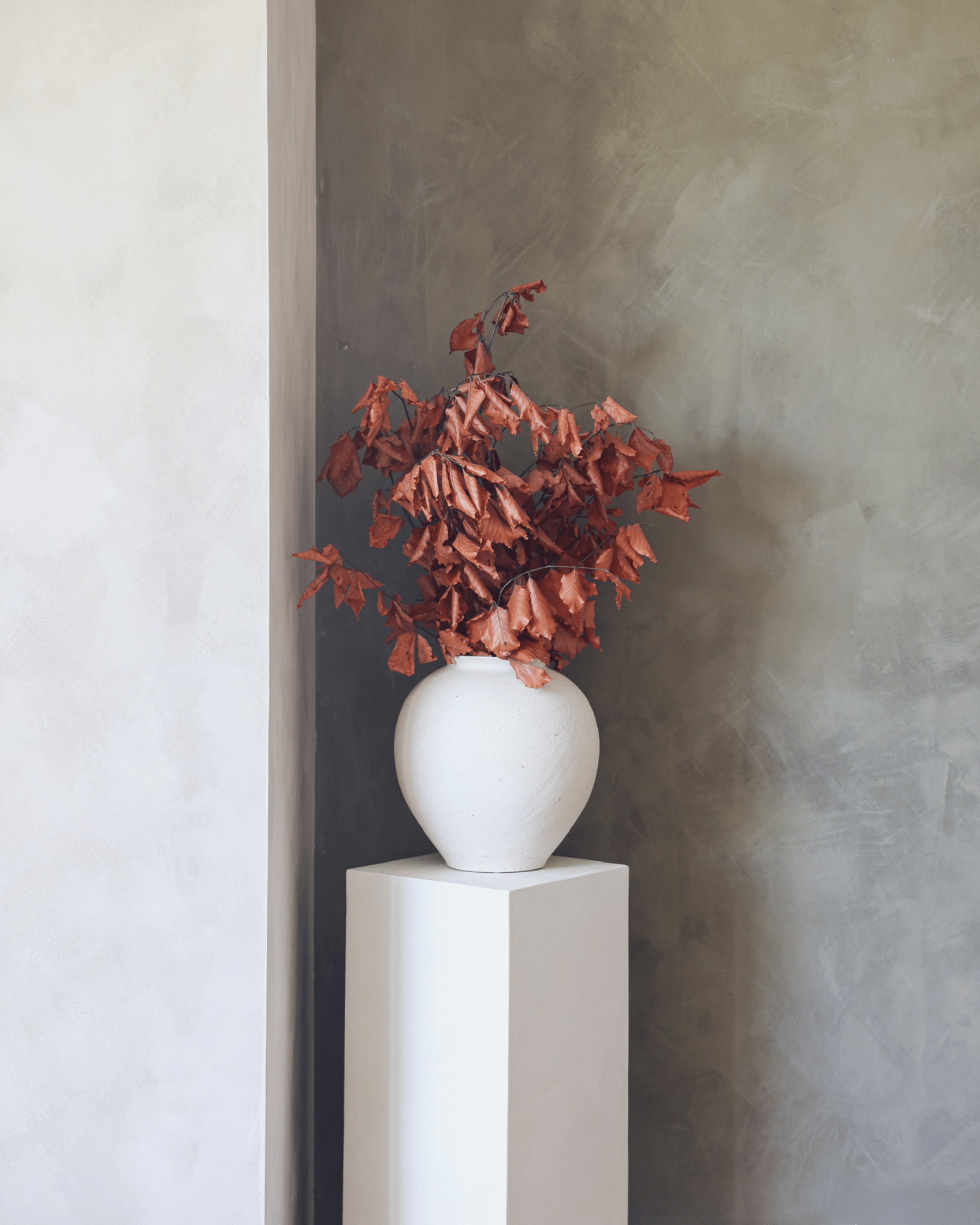
At Maison Anna B, we often talk about the texture, movement and depth that make lime paint so distinctive. Yet there is another part of its appeal that we love just as much: its history.
From traditional Mediterranean homes to contemporary interiors, lime paint has been used for thousands of years, and lime-based finishes are among the oldest materials used to protect and decorate walls. Long before modern paints existed, lime was used to create surfaces that were durable, breathable and naturally beautiful.
Thousands of years later, we are still drawn to many of those same qualities. But what makes this beautifully simple material so enduring?
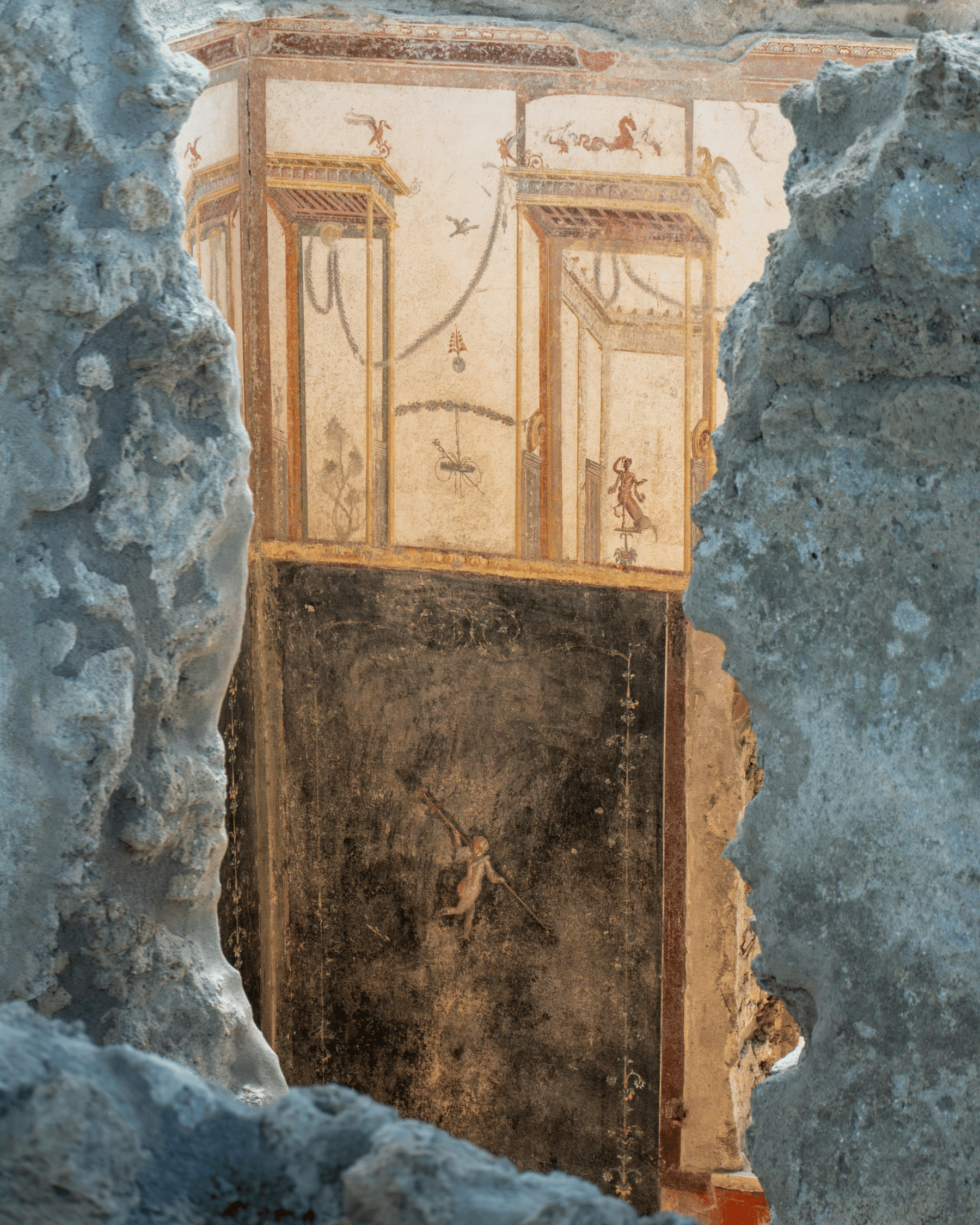
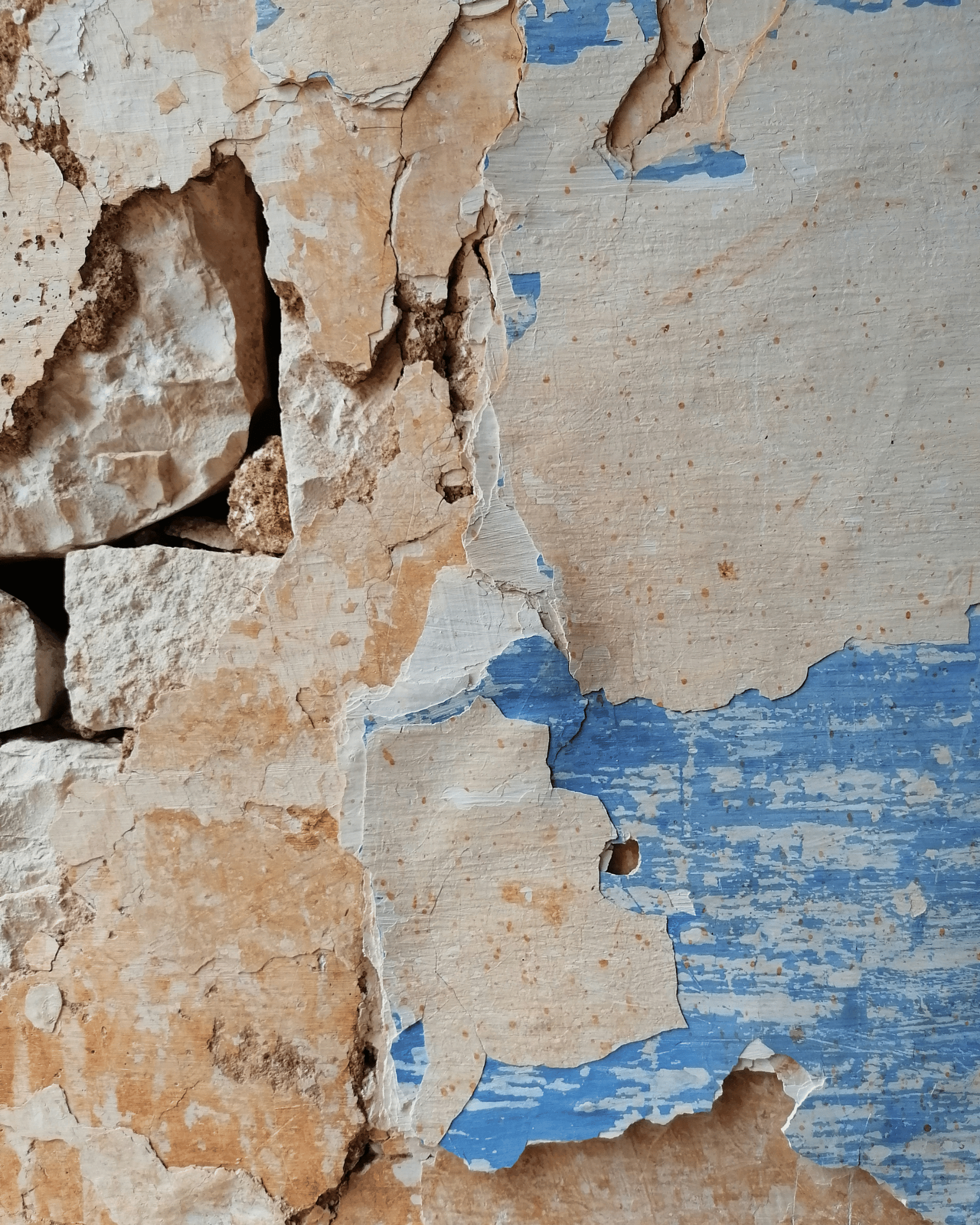
Lime has been used in architecture for over 5,000 years, with some of the earliest examples dating back to ancient Egypt and the Mediterranean.
The principle behind it was remarkably simple. Limestone was heated to produce quicklime, which was then mixed with water in a process known as slaking. The resulting lime could be combined with other natural materials and pigments to create plasters, renders and decorative wall finishes.
Over time, different cultures developed their own ways of working with the material, using locally available earth and mineral pigments to introduce colour.
From simple protective coatings to highly decorative surfaces, lime became part of the architecture of everyday life.
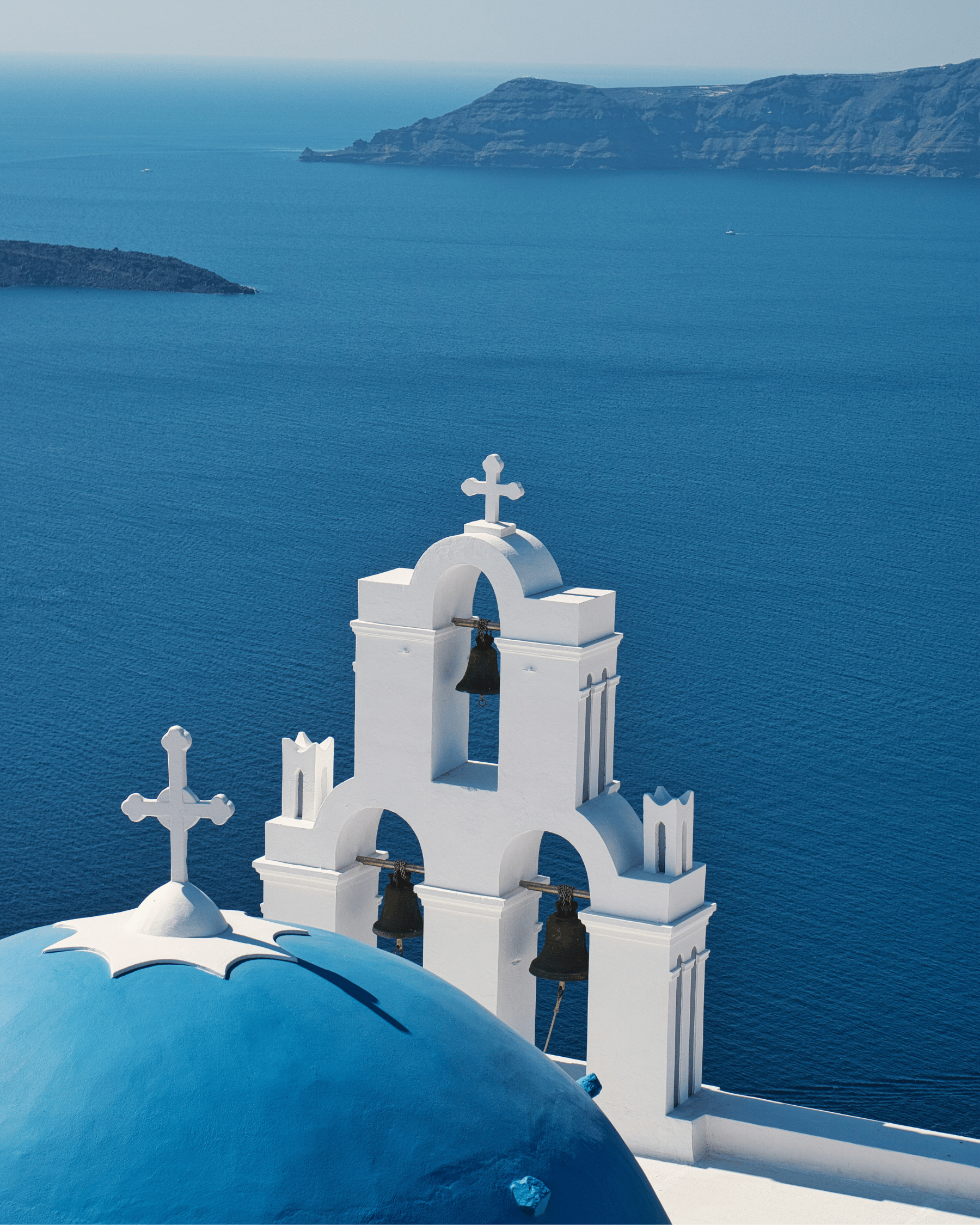
Perhaps some of the most familiar examples of lime finishes can be found across the Mediterranean.
For centuries, limewash was used on houses, churches and public buildings throughout southern Europe and beyond. Its pale, mineral finish became closely associated with Mediterranean architecture, from soft chalky whites to warm earth tones and faded pastels.
But these walls were never about perfectly uniform colour.
Layers of limewash, applied and reapplied over time, created subtle variations in tone and texture. Light interacted with the mineral surface, giving walls a softness and movement that changed throughout the day.
The result was practical, but also incredibly beautiful.
It is this natural imperfection that remains at the heart of lime paint today.
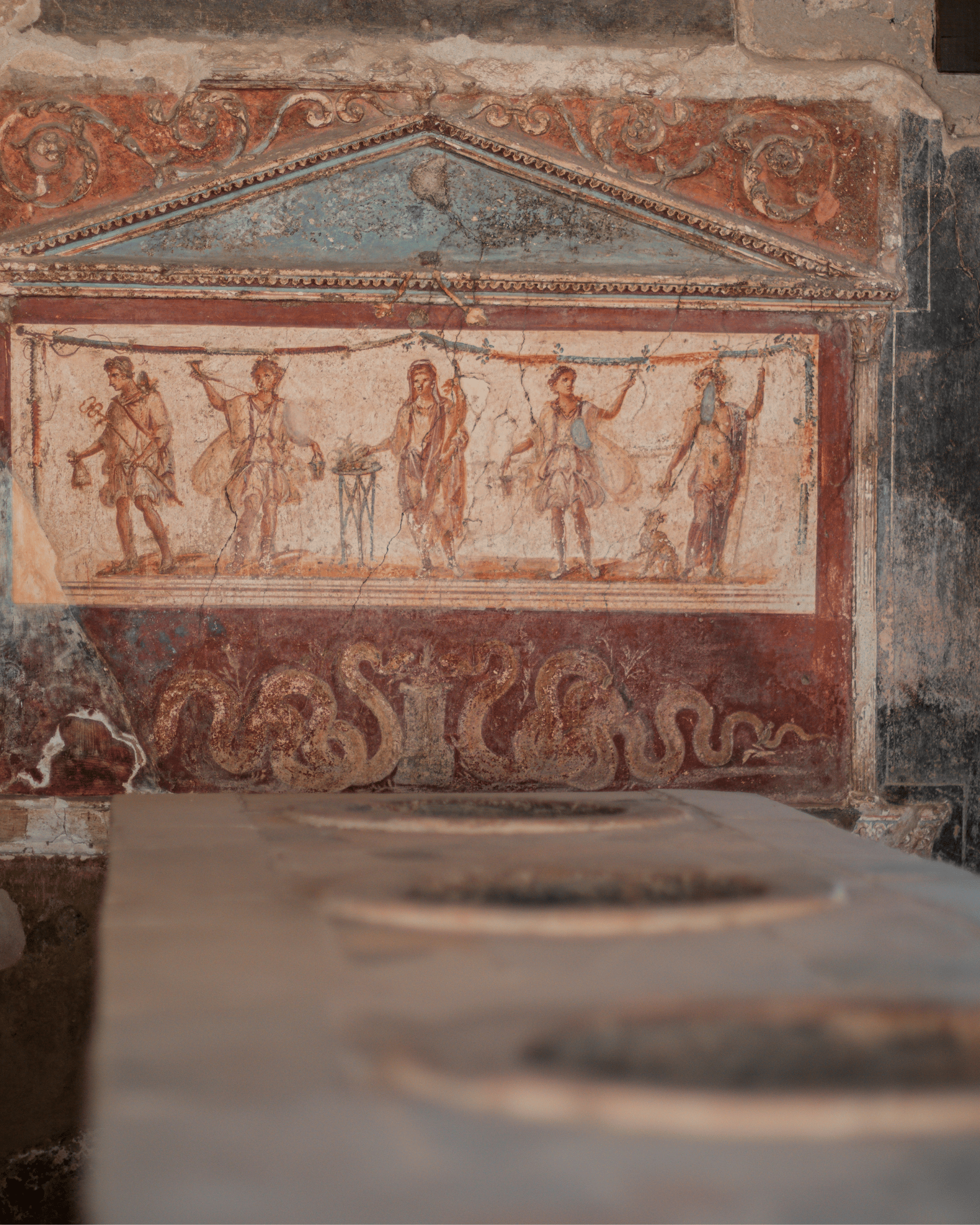
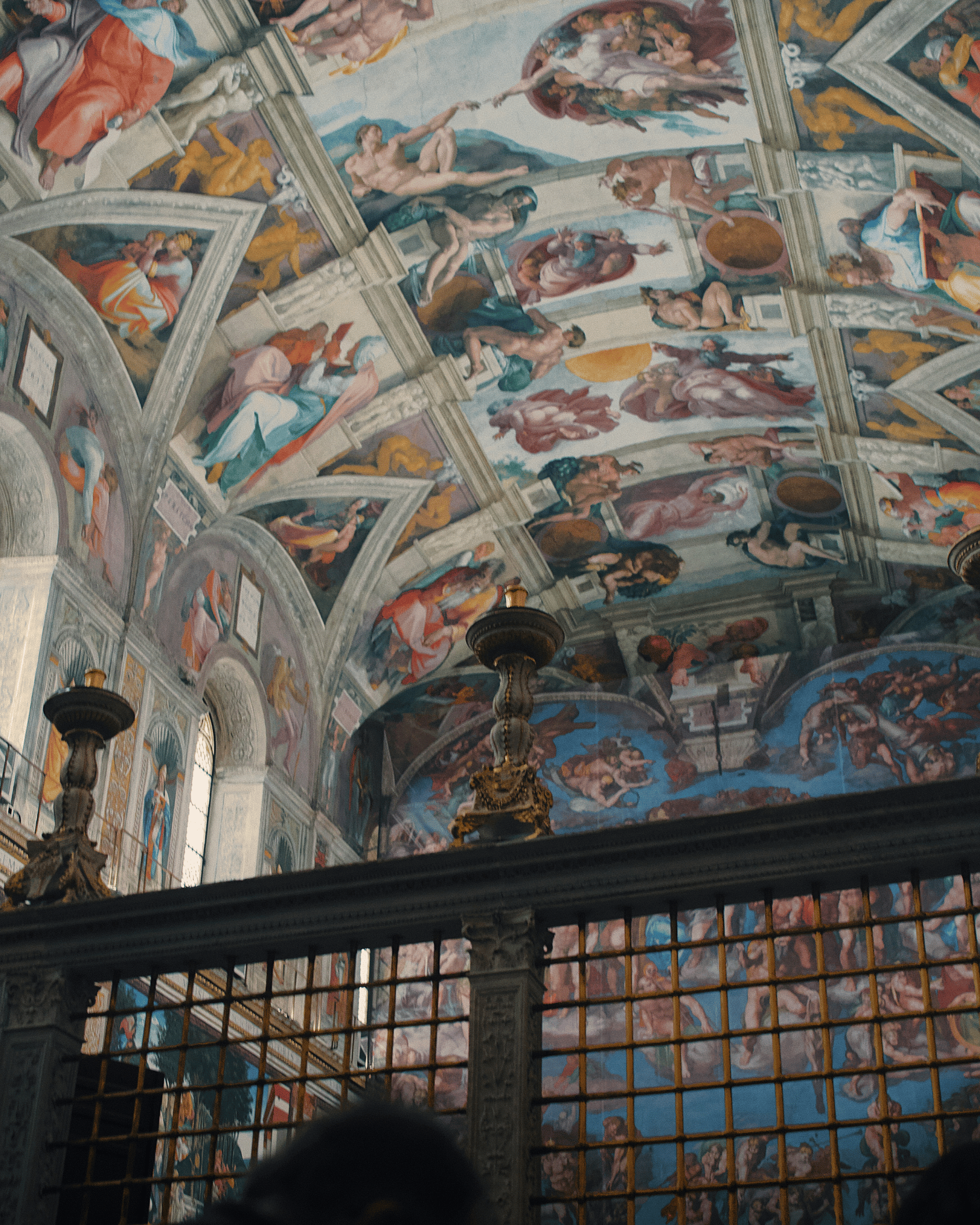
One of the most interesting things about the history of lime is how differently it evolved from one place to another.
Recipes and techniques changed according to climate, local materials and architectural traditions. Natural pigments were added to create colour, while craftspeople developed different methods of application and finishing.
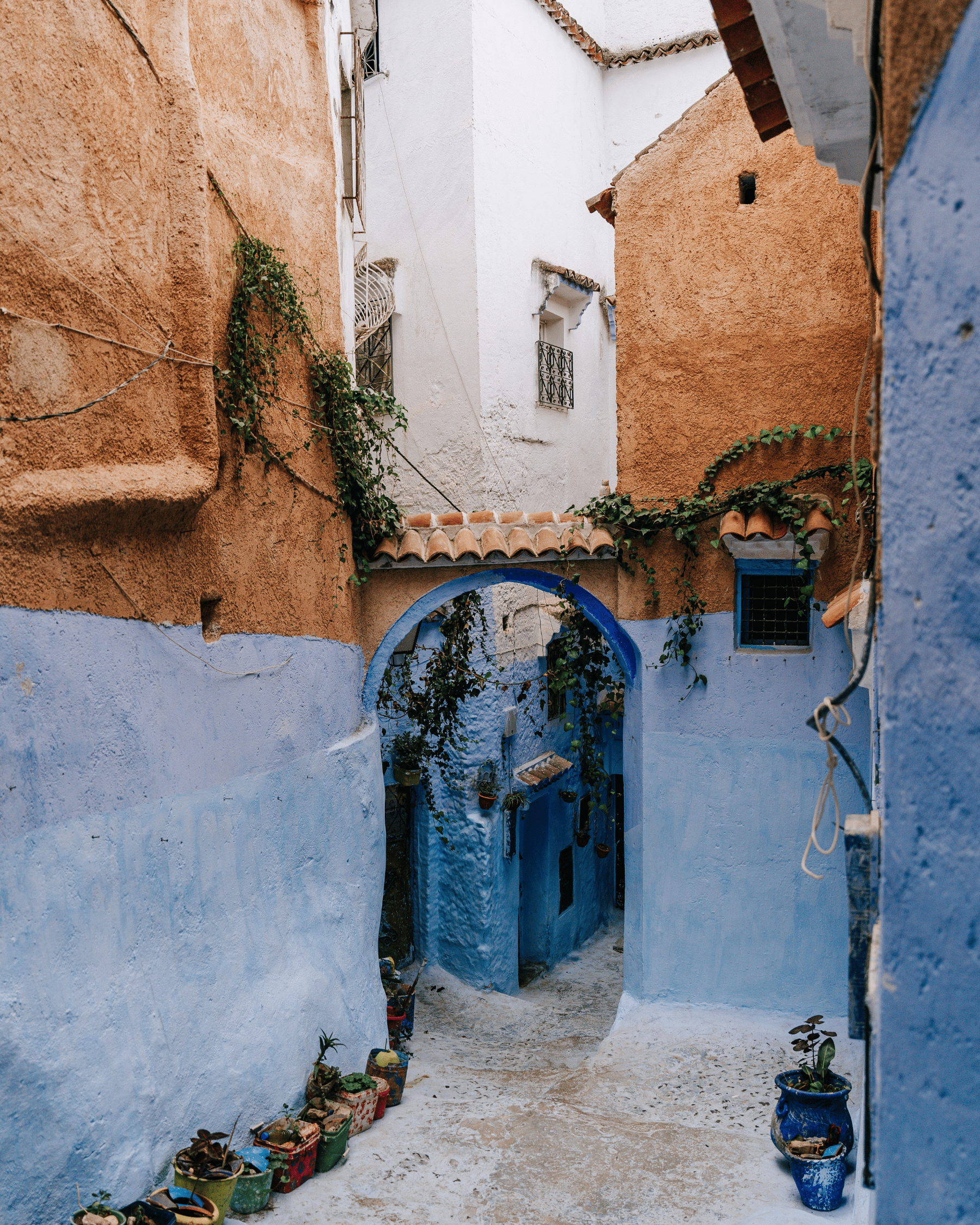
Across Europe, limewash was used extensively in homes, churches and larger buildings. Around the Mediterranean and North Africa, lime-based plasters and decorative finishes became an important part of the architectural language.
Rather than being one particular look or technique, lime became a material that could adapt to its surroundings.
That versatility is one of the reasons it has endured for so long.
During the 20th century, mass-produced synthetic paints gradually replaced many traditional lime finishes.
They were convenient, consistent and available in an enormous range of colours. Perfectly even walls became increasingly easy to achieve, and traditional lime techniques slowly became less common in everyday interiors.
But something was lost along the way.
Where conventional paint generally creates a consistent layer of colour, lime paint has movement.
The surface beneath it, the application technique, the brushstrokes and even the changing light in a room all influence the finished result.
The variations aren't imperfections to hide. They're part of what makes the material beautiful.
Today, lime paint is experiencing a remarkable revival.
Its breathability makes lime-based materials particularly relevant to the restoration of older buildings, but its return goes far beyond period properties.
Architects, interior designers and homeowners are increasingly drawn to lime paint for the character it brings to contemporary spaces.
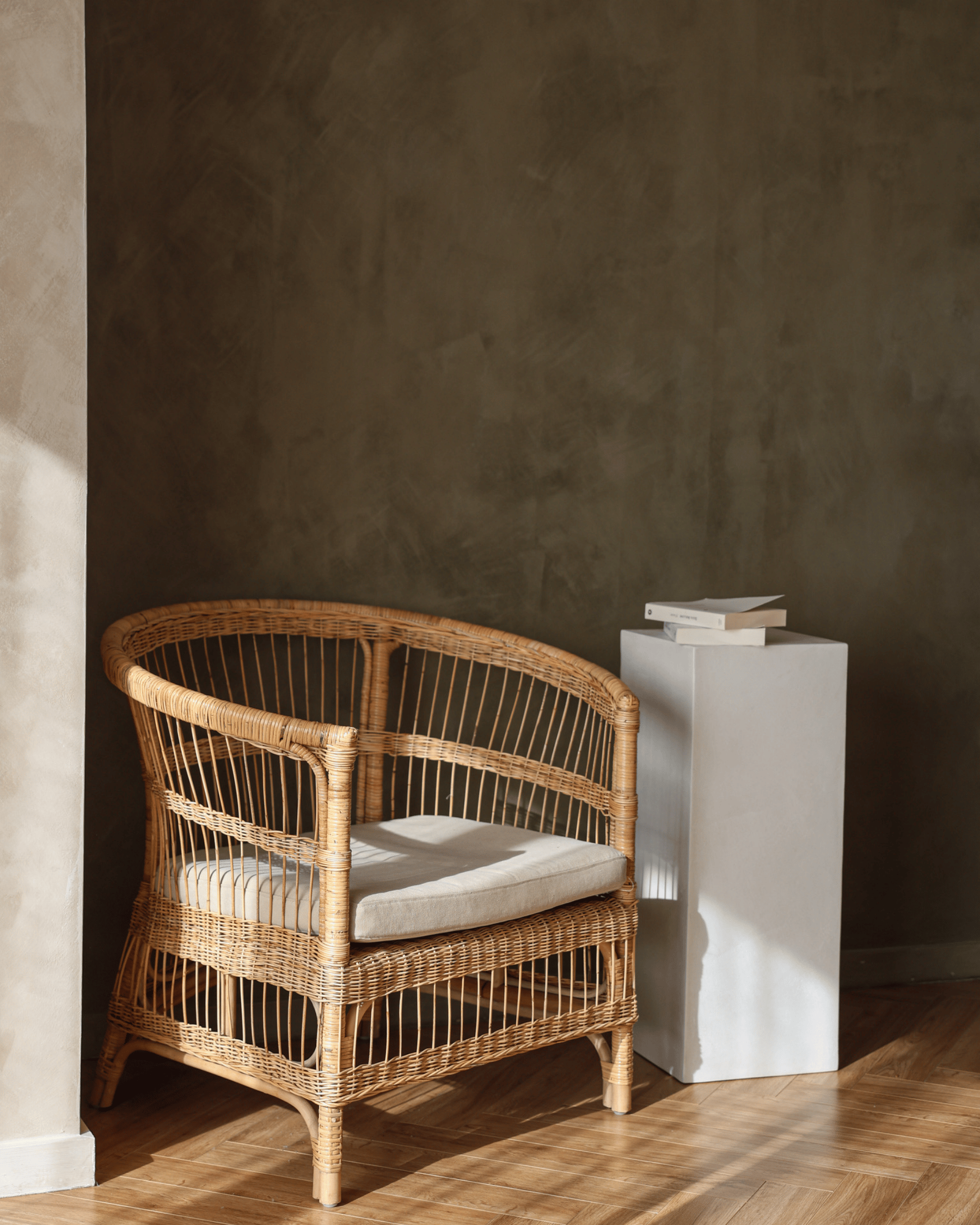
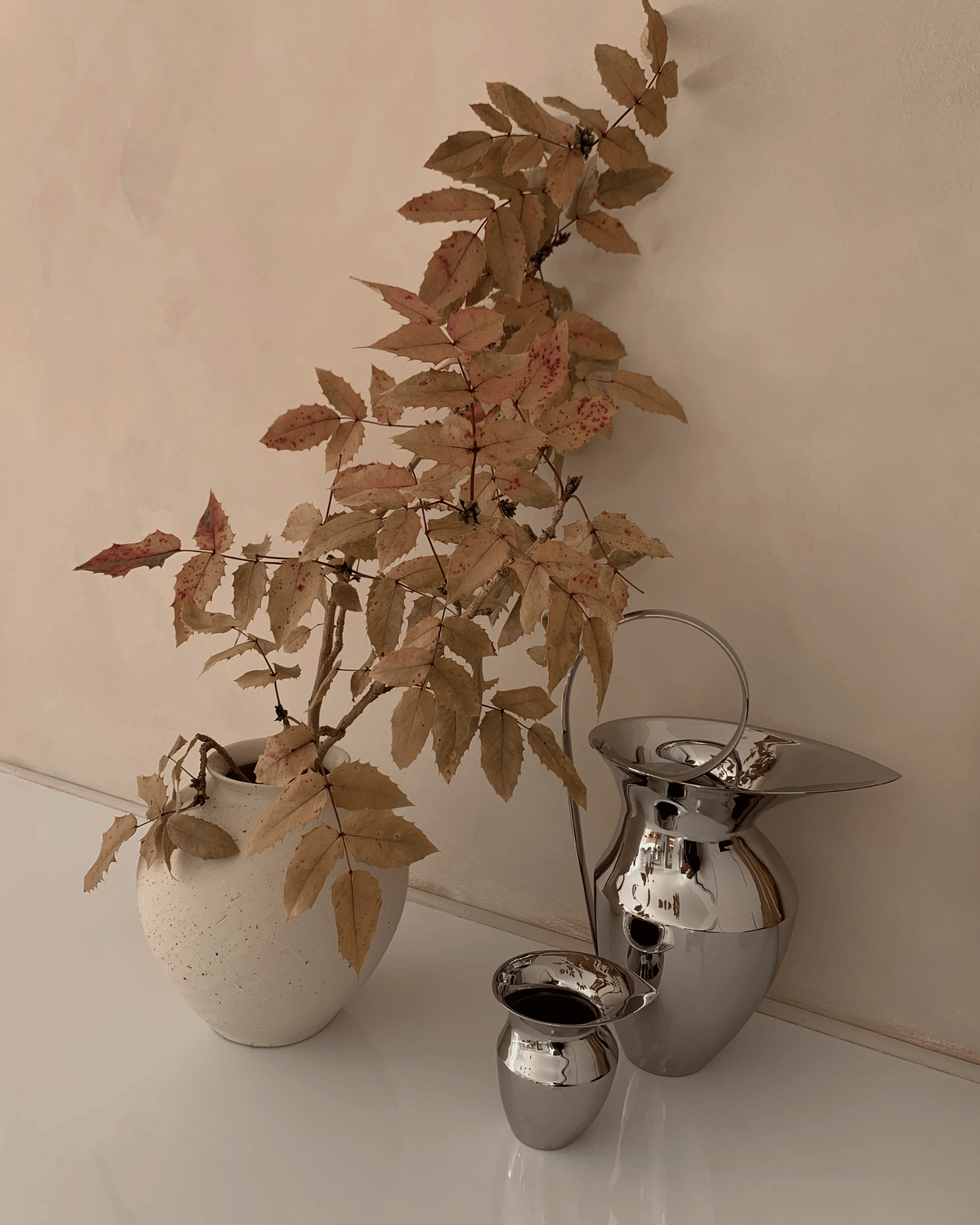
Rather than creating one completely flat colour, lime paint produces subtle tonal movement across a wall. Light changes its appearance throughout the day, revealing different nuances in the finish.
In soft neutrals, the effect can be beautifully understated. In stronger colours, the movement becomes more expressive.
And despite its long history, the result can feel incredibly modern.
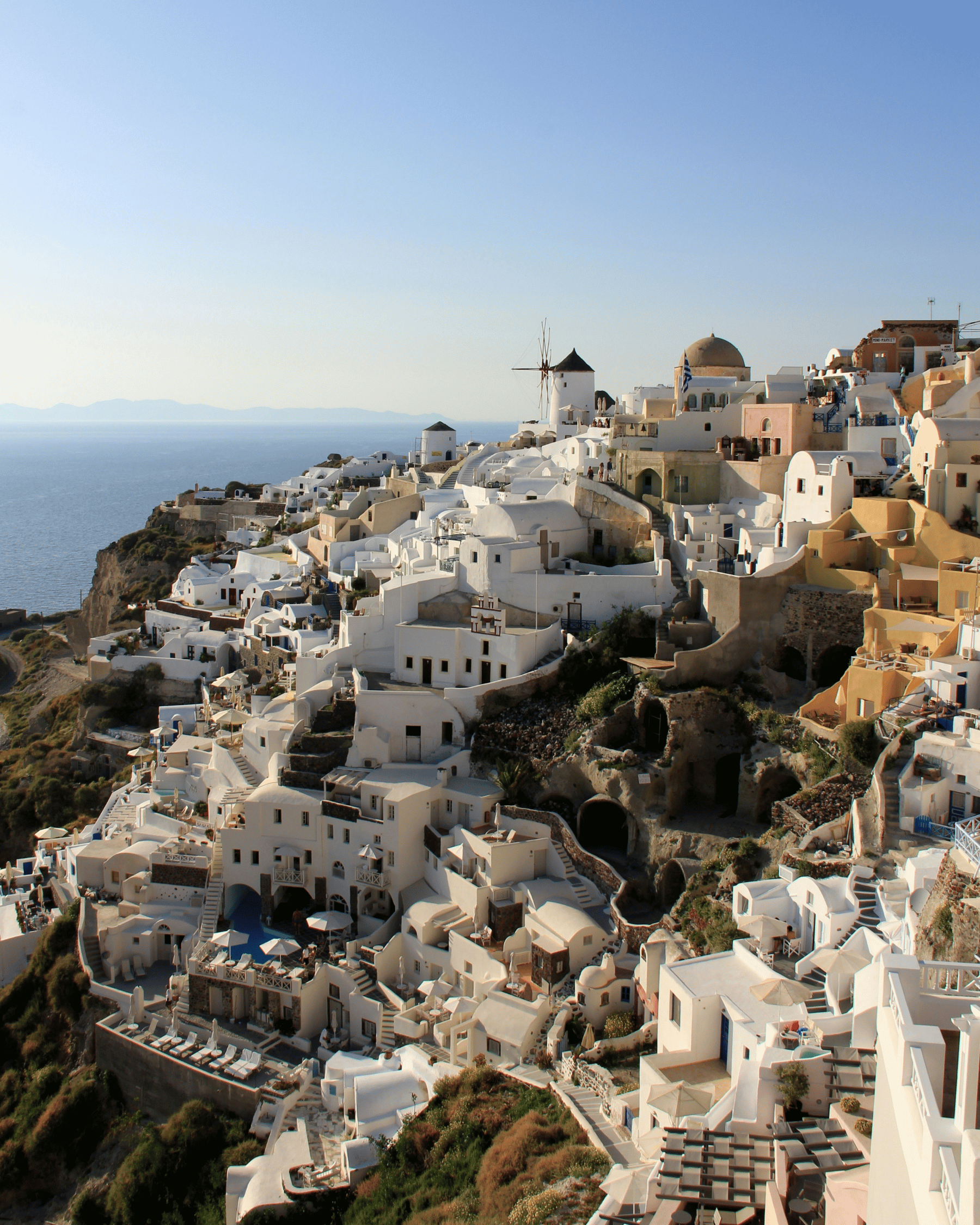
The way we use lime paint today may look very different from the limewashed buildings of centuries past, but the qualities that make the material special haven't disappeared.
Texture. Movement. Depth. The subtle variation created by the hand applying it.
Today, those qualities can be used in an entirely contemporary way.
Lime paint can soften the walls of a modern new build, bring character back into an older property or be carried across walls and ceilings to create an immersive colour-drenched space.
It also sits beautifully alongside other tactile materials such as timber, natural stone, microcement and handmade tiles.
The result is a finish that feels both timeless and completely at home in modern interiors.
Perhaps that is what we love most about lime paint.
It carries centuries of craftsmanship with it, without ever feeling tied to one particular period or style.
Every brushstroke contributes to the finished surface. Every change in light reveals something slightly different. And no two walls will ever look exactly the same.
In a world of increasingly perfect, uniform finishes, there is something refreshing about a material that celebrates texture and variation.
Thousands of years after it first appeared on our walls, lime continues to evolve.
The material may be ancient. The possibilities are anything but.
.png)
As Mercadier's official reseller in Ireland, we offer the complete Mercadier lime paint range in more than 100 colours, alongside the primers, tools and materials needed for your project.
Whether you're working with an interior designer, planning a renovation or thinking about applying lime paint yourself, we're here to help you choose the right products, colours and approach for your space.
At Maison Anna B, we often talk about the texture, movement and depth that make lime paint so distinctive. Yet there is another part of its appeal that we love just as much: its history.
From traditional Mediterranean homes to contemporary interiors, lime paint has been used for thousands of years, and lime-based finishes are among the oldest materials used to protect and decorate walls. Long before modern paints existed, lime was used to create surfaces that were durable, breathable and naturally beautiful.
Thousands of years later, we are still drawn to many of those same qualities. But what makes this beautifully simple material so enduring?
Lime has been used in architecture for over 5,000 years, with some of the earliest examples dating back to ancient Egypt and the Mediterranean.
The principle behind it was remarkably simple. Limestone was heated to produce quicklime, which was then mixed with water in a process known as slaking. The resulting lime could be combined with other natural materials and pigments to create plasters, renders and decorative wall finishes.
Over time, different cultures developed their own ways of working with the material, using locally available earth and mineral pigments to introduce colour.
From simple protective coatings to highly decorative surfaces, lime became part of the architecture of everyday life.
Perhaps some of the most familiar examples of lime finishes can be found across the Mediterranean.
For centuries, limewash was used on houses, churches and public buildings throughout southern Europe and beyond. Its pale, mineral finish became closely associated with Mediterranean architecture, from soft chalky whites to warm earth tones and faded pastels.
But these walls were never about perfectly uniform colour.
Layers of limewash, applied and reapplied over time, created subtle variations in tone and texture. Light interacted with the mineral surface, giving walls a softness and movement that changed throughout the day.
The result was practical, but also incredibly beautiful.
It is this natural imperfection that remains at the heart of lime paint today.
One of the most interesting things about the history of lime is how differently it evolved from one place to another.
Recipes and techniques changed according to climate, local materials and architectural traditions. Natural pigments were added to create colour, while craftspeople developed different methods of application and finishing.
Across Europe, limewash was used extensively in homes, churches and larger buildings. Around the Mediterranean and North Africa, lime-based plasters and decorative finishes became an important part of the architectural language.
Rather than being one particular look or technique, lime became a material that could adapt to its surroundings.
That versatility is one of the reasons it has endured for so long.
During the 20th century, mass-produced synthetic paints gradually replaced many traditional lime finishes.
They were convenient, consistent and available in an enormous range of colours. Perfectly even walls became increasingly easy to achieve, and traditional lime techniques slowly became less common in everyday interiors.
But something was lost along the way.
Where conventional paint generally creates a consistent layer of colour, lime paint has movement.
The surface beneath it, the application technique, the brushstrokes and even the changing light in a room all influence the finished result.
The variations aren't imperfections to hide. They're part of what makes the material beautiful.
Today, lime paint is experiencing a remarkable revival.
Its breathability makes lime-based materials particularly relevant to the restoration of older buildings, but its return goes far beyond period properties.
Architects, interior designers and homeowners are increasingly drawn to lime paint for the character it brings to contemporary spaces.
Rather than creating one completely flat colour, lime paint produces subtle tonal movement across a wall. Light changes its appearance throughout the day, revealing different nuances in the finish.
In soft neutrals, the effect can be beautifully understated. In stronger colours, the movement becomes more expressive.
And despite its long history, the result can feel incredibly modern.
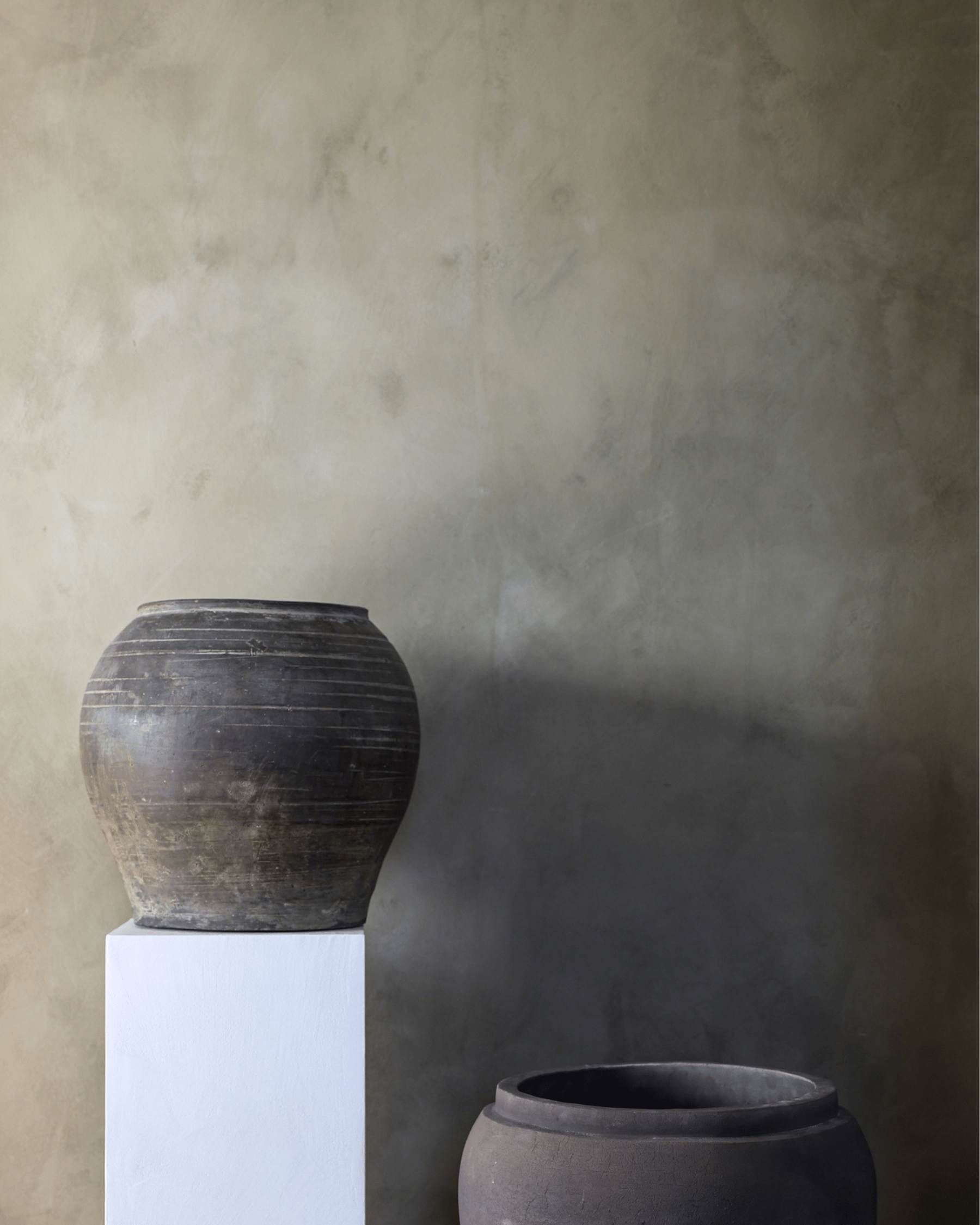
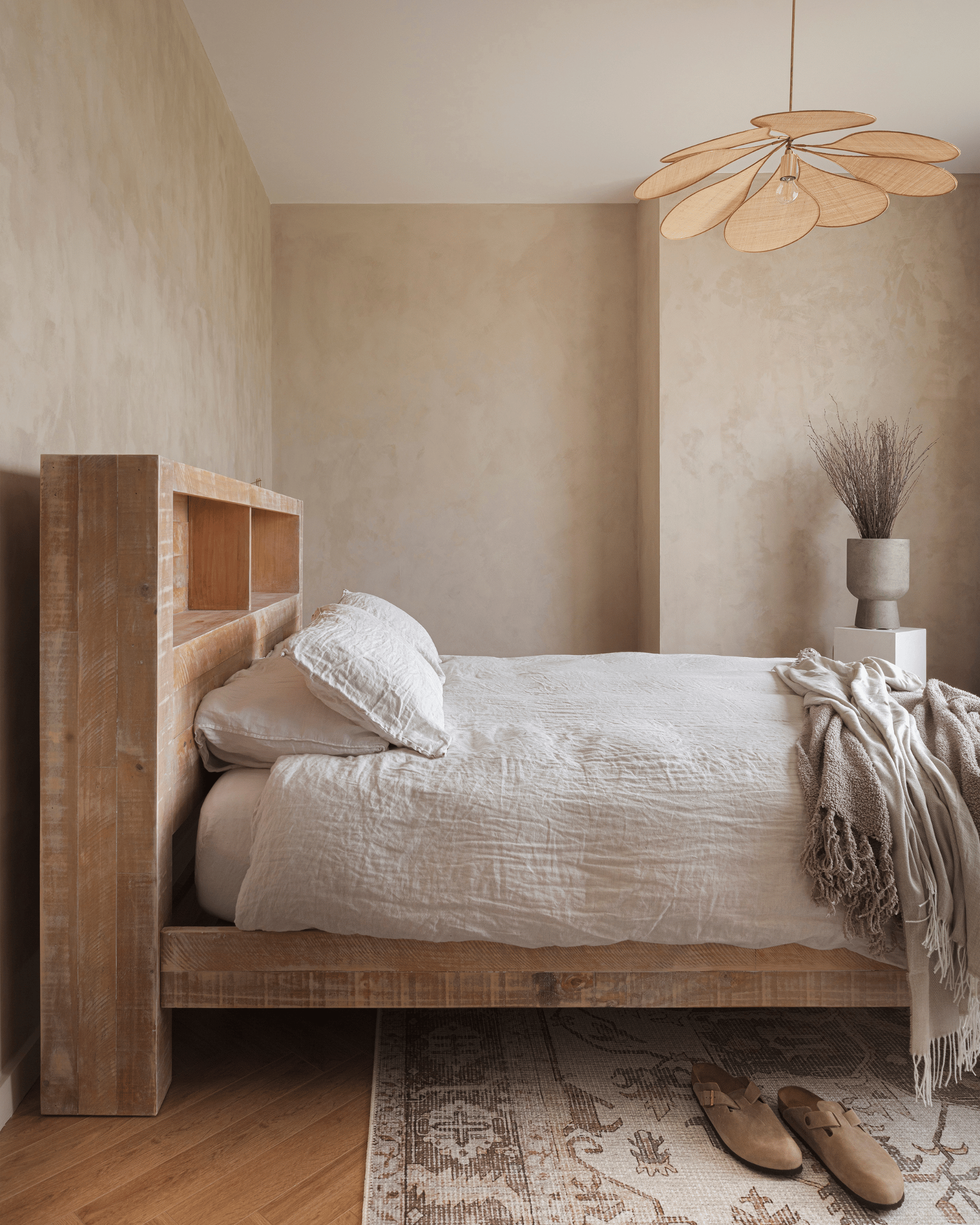
The way we use lime paint today may look very different from the limewashed buildings of centuries past, but the qualities that make the material special haven't disappeared.
Texture. Movement. Depth. The subtle variation created by the hand applying it.
Today, those qualities can be used in an entirely contemporary way.
Lime paint can soften the walls of a modern new build, bring character back into an older property or be carried across walls and ceilings to create an immersive colour-drenched space.
It also sits beautifully alongside other tactile materials such as timber, natural stone, microcement and handmade tiles.
The result is a finish that feels both timeless and completely at home in modern interiors.
Perhaps that is what we love most about lime paint.
It carries centuries of craftsmanship with it, without ever feeling tied to one particular period or style.
Every brushstroke contributes to the finished surface. Every change in light reveals something slightly different. And no two walls will ever look exactly the same.
In a world of increasingly perfect, uniform finishes, there is something refreshing about a material that celebrates texture and variation.
Thousands of years after it first appeared on our walls, lime continues to evolve.
The material may be ancient. The possibilities are anything but.
As Mercadier's official reseller in Ireland, we offer the complete Mercadier lime paint range in more than 100 colours, alongside the primers, tools and materials needed for your project.
Whether you're working with an interior designer, planning a renovation or thinking about applying lime paint yourself, we're here to help you choose the right products, colours and approach for your space.